Belsize Park House Clearance in Belsize Park

We provide house clearance in Belsize Park for homes that need rooms, entire properties or selected contents cleared with care and practical organisation. That can include furniture, general household items, unwanted clutter and mixed items that are ready for removal, all handled in a way that keeps the work orderly from the first visit to the final tidy-up. The service is suitable for full-house projects and for smaller clearances where only certain spaces need attention.
Our approach is designed to make the process straightforward for property owners, landlords, executors and managing agents who want a clear plan rather than guesswork. We can help with straightforward domestic clearances, awkward access, contents that need sorting before removal and situations where items are spread across more than one room. If you need a clear quotation, tell us what needs clearing and we can discuss the next step.
Where a property contains a mixture of reusable items and general waste, we can separate the work into sensible stages so the clearance is handled cleanly. Good preparation is not about doing the heavy lifting yourself; it is about helping the clearance begin with the right expectations. Keep the focus on the items to be removed, the access arrangements and any belongings that must stay in place.
House clearance services for different property needs
House clearance is rarely the same from one property to another, so we shape the work around the contents, layout and condition of the home. Some clearances are mainly about removing bulky furniture and mixed household items, while others involve lofts, garages, cupboards, shelving or rooms that have built up items over time. We can work through the property methodically so the removal remains controlled rather than rushed.
Our service can support a broad range of domestic situations, including end-of-tenancy clearances, inherited properties, downsizing projects and homes that need decluttering before sale or renovation. When a property contains items of different sizes and materials, it is usually best to treat the work as a structured clearance rather than a single quick uplift. That gives a better outcome for access, sorting and the final condition of the rooms.
Useful pages for related work are home clearance when the entire property needs attention, flat clearance for smaller or upper-floor homes, and house clearance for larger domestic projects. Where individual items form most of the load, furniture clearance and furniture disposal explain how bulkier pieces can be handled as a separate part of the job.
Rooms, contents and access considerations

Many domestic clearances need more than simple lifting. A house may contain stored belongings in wardrobes, cupboards, understairs areas, roof spaces or outbuildings, and these all affect how the job should be planned. We can clear items from accessible storage areas and work through rooms in a sensible order, which helps keep paths clear and reduces repeated handling. If the property has narrow stairs, tight corridors or limited parking, those details matter to the overall plan.
Before the work begins, it is useful to identify any items that should remain in the property, any contents that need separating and any rooms that should be left until last. That does not mean the customer must sort everything first. It simply helps the clearance move in a stable sequence and avoids confusion once the work is underway. A few clear notes about access, keys or timing can make the visit run more smoothly.
For properties with a mix of storage spaces and shared access needs, our related pages on loft clearance, garage clearance and office clearance show the sort of space-specific work that may be required. Clarity at the start matters because it helps the clearance stay organised, especially when several rooms or storage areas are involved.
Furniture, bulky items and mixed household contents
Some clearances are dominated by furniture rather than general clutter. Sofas, wardrobes, tables, beds, shelving, cabinets and other bulky items often need to be removed carefully so walls, staircases and floors are protected as far as practical during the move. We can include these items within a broader domestic clearance or deal with them as a more focused furniture removal task when that is the main requirement.
When furniture forms part of a wider clearance, it is useful to think about what can be removed in one pass and what may need extra handling. Large items may need disassembly, careful turning or a staged route through the building. Mixed contents can also include books, kitchenware, textiles, ornaments and everyday household possessions, so the work needs to be organised rather than treated as a simple load-and-go exercise. That helps create a neater finish for the cleared property.
- Bulky furniture from living rooms, bedrooms or dining areas
- Mixed contents from cupboards, shelves and storage spaces
- Items that need sorting before removal
- Clearances where access needs to be planned in advance
Clearance for different property stages
Domestic clearance work often happens at a transitional point, such as moving out, preparing a property for sale, taking over an inherited home or carrying out renovation work. The timing can shape what needs to be removed and how quickly rooms must be left ready for the next stage. We can adapt the clearance to the condition of the property and the practical order in which rooms need to be emptied.
Where a property is being handed back, sold or refurbished, the aim is often to remove remaining contents without turning the job into a disruptive project. A sensible clearance plan can help with that by dealing first with the items that block movement, then working through the remaining rooms in a steady sequence. This is especially useful when several categories of contents are present, from furniture to loose household items.
If your project also involves outdoor items or adjacent spaces, garden clearance and builders waste clearance may be relevant additions depending on what needs removing. For domestic removals that lead into broader waste handling, waste removal provides a wider overview of the types of material that can be collected as part of an organised clearance.
Sorting, disposal and recycling within a house clearance

A well-managed house clearance is not only about taking items away; it is also about handling contents responsibly and keeping the process orderly. Different materials may need different treatment, especially where furniture, general household items and mixed waste appear together. We can work through the load with an eye on practical sorting, so the clearance is carried out in a way that suits the contents rather than forcing everything into one approach.
For many customers, the important questions are what can be cleared together, what should be separated and how the work will be organised around the property. Those decisions are easier when the contents are described clearly at the outset. If there are reusable pieces, fragile items or objects that need to stay in place, it helps to identify them before the clearance begins. That makes the process more predictable and reduces avoidable handling.
Our company pages on recycling and sustainability and insurance and safety give broader information on how material handling and working practices are approached. For customers comparing costs or planning the scale of work, pricing and quotes is a useful place to start before arranging the clearance itself.
Planning a quotation for house clearance
Quotation planning works best when the property details are practical and specific. A clear description of the rooms involved, the types of contents present and any access considerations helps us understand the scope of the job. If the property includes loft storage, built-in cupboards, a garage or bulky furniture, those details matter because they affect how the clearance will be organised and how long it is likely to take.
Photographs can also be useful where they show the main items, room size and the general condition of the spaces to be cleared. A brief list of what should remain in the property is equally helpful, especially if the home contains a mixture of personal belongings and removable contents. The aim is not to create paperwork for its own sake; it is simply to make the clearance easier to scope and to reduce the chance of misunderstanding.
If you are ready to take the next step, a clear written enquiry can make the quotation process more efficient. Please contact us when you are ready to discuss your house clearance in Belsize Park.
More support for related clearance work
Some domestic jobs sit close to other types of property clearance, and it can help to know how they differ. A home clearance may cover a full residence and several storage areas, while a flat clearance often involves different access constraints and a more compact layout. House clearance can also overlap with furniture-only removals when the main task is to take away larger items that dominate the space. Each variation changes the balance of sorting, lifting and room-by-room organisation.
Where the property is mainly built around one type of space, it may be useful to review the relevant service page before requesting a quotation. For example, garage clearance suits storage-heavy areas with mixed contents, while loft clearance is focused on roof-space access and the items that tend to accumulate there. If the clearance involves work-related premises as well as domestic items, business waste removal may be more appropriate for part of the load.
For readers who want a broader sense of our company information and policies, about us, health and safety policy and payment and security provide further detail. Choose the page that best matches the property type so the enquiry reflects the actual work needed.
About Belsize Park
Belsize Park is an area in north-west London closely associated with the wider district of Hampstead and the London Borough of Camden. It is known for a mix of residential streets, mansion blocks, terraces and garden squares, with a built environment that reflects successive phases of suburban development from the nineteenth century onwards. The area takes its name from Belsize House, a former country house that once stood nearby and gave the locality a distinct identity as the city expanded. Over time, the district became better connected through road and rail links, especially after the arrival of the Underground, which helped shape its character as a well-established residential neighbourhood rather than a dense commercial centre.
One of the best-known features of the locality is its proximity to Hampstead Heath, a large and historic open space that lies to the north-east and offers sweeping views, ponds and woodland paths. To the south and west, the built streets sit within easy reach of Hampstead, Swiss Cottage and Primrose Hill, creating a setting that combines quieter residential roads with access to busier London routes. The architecture around Belsize Park includes a variety of period homes, some with ornate fronts and others with more restrained brickwork, giving the area a visually mixed streetscape. Cultural life is closely linked to nearby Hampstead and Camden, with theatres, independent shops, cafés and local institutions contributing to the wider neighbourhood identity. The area’s transport links and urban form make it recognisable as part of inner London, yet it retains a more settled residential feel than many of the capital’s main commercial districts.
Choosing the right clearance approach

A sensible house clearance begins with a clear decision about scope. Some customers want a full property cleared from top to bottom, while others need only selected rooms or groups of items removed. That distinction matters because it affects the order of work, the time needed on site and the way different contents are handled. The best outcome usually comes from matching the clearance plan to the actual property rather than trying to force every job into the same format.
Different homes also contain different mixtures of materials. A clearance may include soft furnishings, wooden furniture, kitchen contents, ornaments, paperwork, storage boxes or household miscellaneous items. The more varied the contents, the more important it is to think about which items are staying, which are being removed and whether anything needs to be separated before the work starts. This is especially useful in older homes where items may be distributed across several rooms and storage spaces.
If you are comparing related domestic services, home clearance, flat clearance and furniture disposal can help you match the job to the right kind of service. For a direct discussion of your own property, a short plain-text note about the rooms involved is often enough to begin. Book the next step when you are ready.
What helps the clearance run smoothly
Clearances work best when the customer and the clearance plan are aligned. It is helpful to know which rooms are accessible, whether there are parking or loading limitations and whether any items need to be handled separately. That information does not need to be elaborate, but it should be accurate. A short description of the property type, the quantity of items and any awkward access points usually gives enough context to shape the work properly.
There are also practical decisions that can save time during the visit. If you want to keep any items, it is best to identify them clearly. If certain rooms should be left until last, that can be mentioned at the start. If the property is part of a chain of events such as a move, refurbishment or handover, the deadline may also matter. These are the sort of details that make the clearance easier to organise without turning the enquiry into a lengthy process.
For final arrangements, pricing and quotes and contact us are the most direct places to go. Simple, accurate information is usually enough to begin, and once the scope is understood, the next step becomes much easier to arrange.
House clearance in Belsize Park, arranged with care
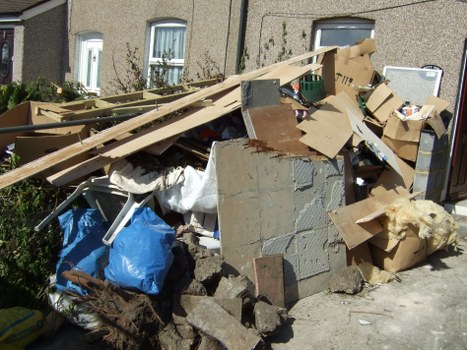
When a property in Belsize Park needs clearing, the value of a structured service lies in reducing disorder and keeping the job focused on the rooms, items and access points that matter. That is true whether the property contains a few bulky pieces, a full household of contents or a mixture of items spread through storage spaces. A clear plan helps the clearance stay practical from the outset and makes it easier to finish the property in a tidy state.
Our related service pages can help you compare the different kinds of domestic work available, from house clearance and home clearance to loft clearance, garage clearance and garden clearance. If the work includes mixed materials or broader disposal needs, waste removal and builders waste clearance may be useful for understanding the wider options.
If you would like to discuss your own property, send the room details, access notes and a simple description of the items to be cleared. We can then help shape a sensible quotation and next step. Request a quotation today.